By Jim Carchidi
September 28, 2026
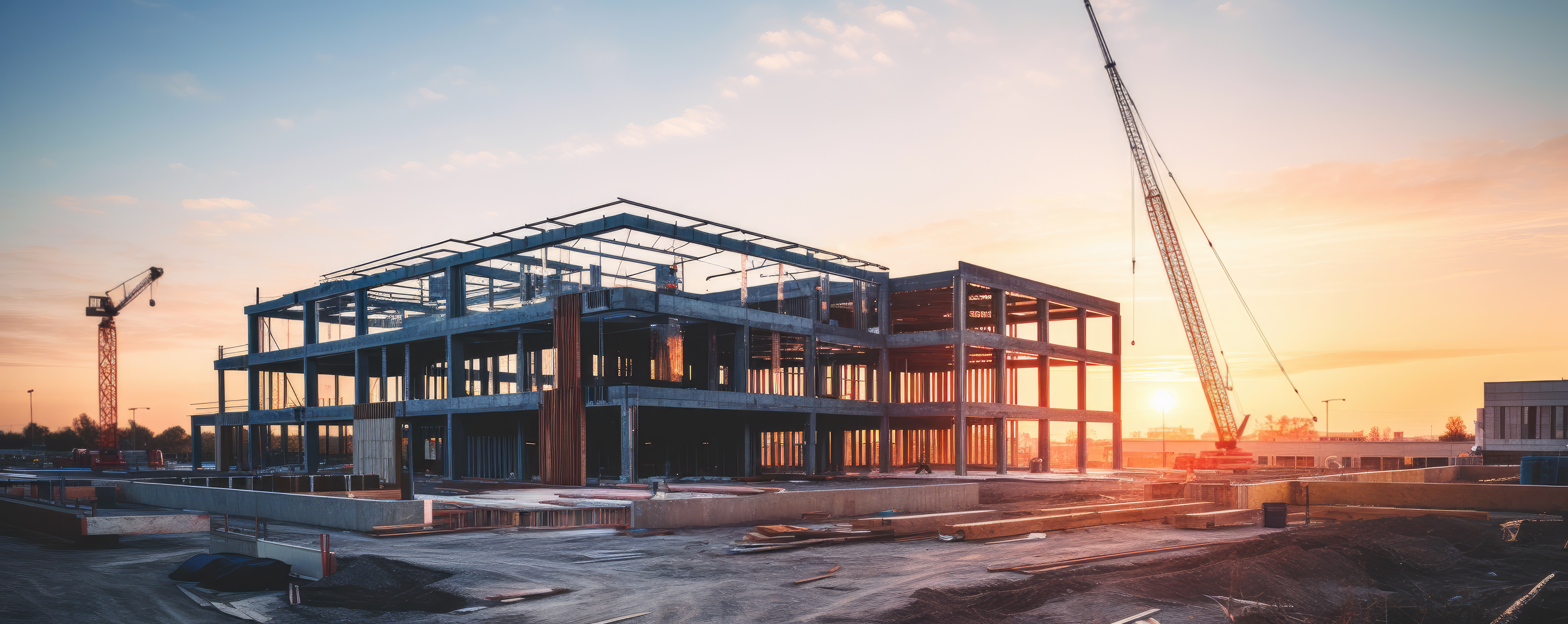
Multiple developments, infrastructure upgrades, and mixed-use buildings are in progress across Metro Orlando and many more are pending. But chances are, every one has been or will be delayed.
According to database platform ScienceDirect, about 75% of construction projects experience a median delay between 20 and 40% of their duration. Developers and project managers say supply chain interruptions and severe weather often affect schedules while many more delays are related to specific factors; from design changes to financial challenges. While the issues may vary, they have one thing in common: they take time to resolve.
Resources
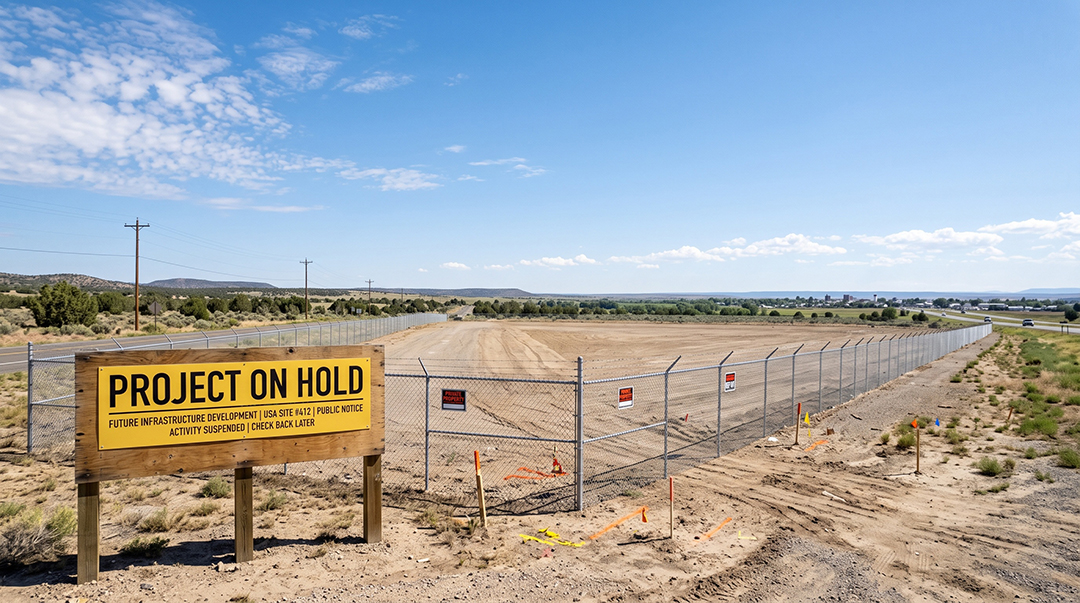
Developers can sometimes secure land-use approvals before fully financing a project. City of Orlando Planning Director Jason Burton, a 30-year construction industry veteran, says financial challenges often start early.
“Lenders may require additional equity, higher levels of pre-leasing, stronger projected rents, or other guarantees before financing a project,” he said. “Commercial and mixed-use projects may also require commitments from major tenants before lenders will release construction financing. A project can, therefore, have all of its governmental approvals and still remain dormant while the developer seeks tenants.”
Labor, materials, and equipment pricing can also change before and during the construction phase. Burton says a project that was financially sound at the start may be in the red by the time planning and design are complete.
In many cases, a budget contingency is included to cover unforeseen conditions. If costs rises above that threshold, stakeholder approvals are necessary. For public projects, a revised budget will undergo an additional financial review and go before local leaders for a vote.
Redesigns
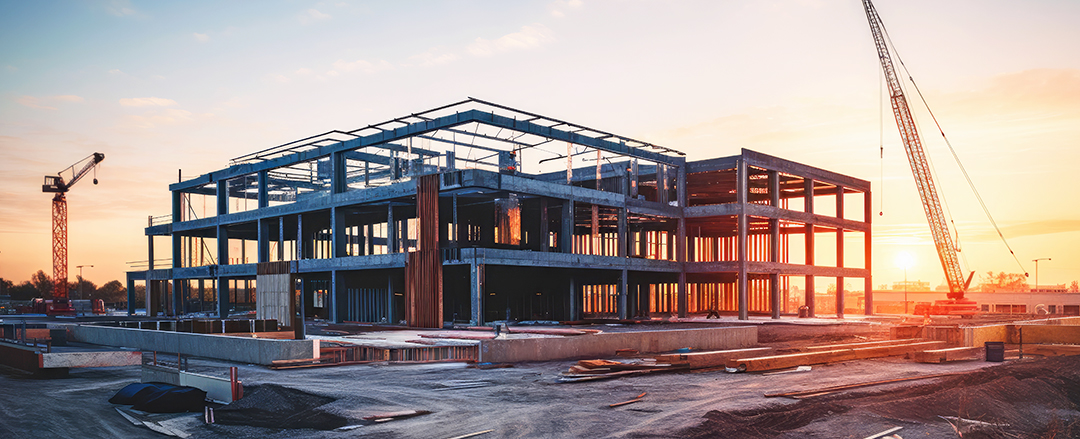
Budget shortfalls can require design alterations after initial project approvals. Methods for budget-friendly design changes include:
- Value Engineering: Modifying the design, materials, or construction methods to reduce costs without reducing the project's quality, function, or performance..
- Scope Reduction: Directly removing features, areas, or requirements from the original plan to cut costs.
Additionally, designs are changed to improve financial projections. Residential unit allocations or mixed-use allowances can be altered to increase the economic viability of a development. And public input can determine design changes if objections over density, environmental and conservation concerns, and architectural appeal become an ongoing issue. Extensive changes require additional reviews from planning departments and city or county commissions.
Right-of-Way
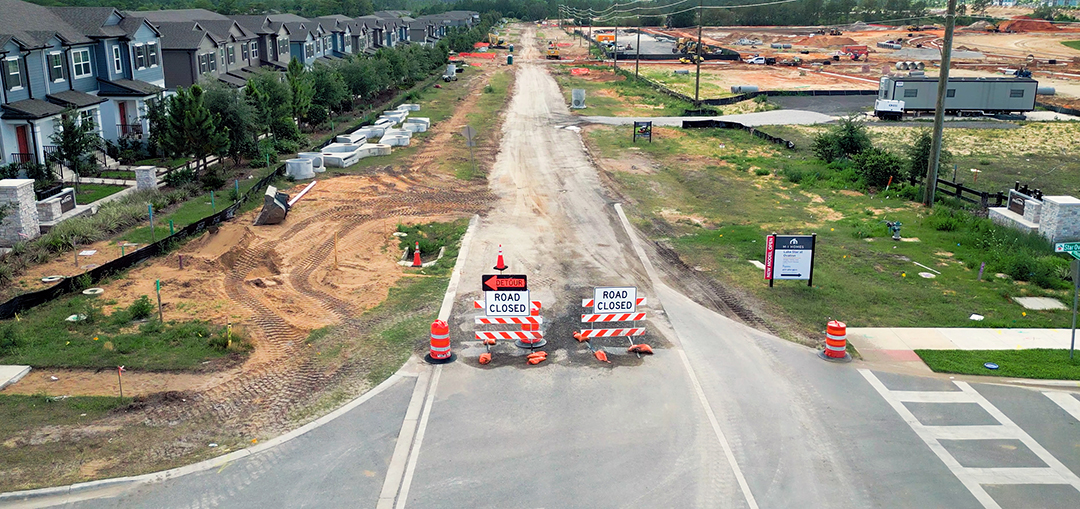
Road improvements are among the most highly anticipated projects and include plenty of unexpected issues. However, Orange County Public Relations and Outreach Specialist Darrell Moody says two problems are more common than any other.
“Sometimes we need the right-of-way to be extended. That usually happens between the engineering phase and the construction phase,” he said. “We’ve got to contact the property owners, negotiate a deal to purchase the right-of-way; that typically takes time.”
The second problem involves relocating utilities.
“We'll have a contractor start on an intersection improvement project. They'll get six feet into the ground and find fiber optic cables. But who do they belong to?”
Finding the right utility company can be time consuming, but once contact is made the matter is far from resolved.
“They have their subcontractors come in and move those lines, but we have no control over the process.”
Representation

Maintaining clear communication is an ongoing challenge no matter the task or the industry. When general contractors, designers, architects, subcontractors, and owners all need to be in the loop and rarely share space, complications are inevitable. Director of Operations at Eola Food Hall, Justin Dunlap, has more than 20 years of job site experience and has seen the problems firsthand.
“One of the biggest causes of delays I've seen is owners trying to handle everything themselves,” he said. Delays often come down to unanswered questions and unresolved decisions. An experienced owner's representative can keep a site active by helping to manage the budget, standards, and schedule.
“Having the right people involved early can save a lot of time and expensive corrections later.”
Sponsor: The Orlando Real is sponsored by the Pozek Group — the #1 real estate team in Orlando and the Official Real Estate Team of the Orlando Magic.
About the Author
Jim Carchidi is an Orlando journalist and photographer with previous work at the Orlando Sentinel and Orlando Business Journal. He covers development, arts, culture, and local stories for The Orlando Real.
Enjoy this blog post? Click here to subscribe for updates
Leave A Comment