By Jim Carchidi
June 25, 2026
Current paths to homeownership have proven uncertain for some and unnavigable for others. But a legislative package with support from both sides of the aisle has become a hot topic in Washington and throughout the country.
The problem
According to the Harvard University Joint Center for Housing Studies, home prices are up 54% since 2020 and the median cost of a mortgage has nearly doubled. The overall number of rental units under $1,000 per month has declined by seven million. And the number homes affordable for households earning $75,000 per year or less was down 60% between March 2019 and March 2026.
A solution
The 21st Century ROAD to Housing Act combines new House and Senate bills with previous legislation. The aim is to increase affordability by growing the housing supply through more accessible building options. New provisions will streamline environmental reviews, remove construction restrictions for manufactured homes, increase access to mortgages, and place limits on institutional investors.
While it can’t address every factor, including the lack of construction labor, rising insurance costs, and slow wage growth, it helps level the playing field on several issues.
What it means for buyers
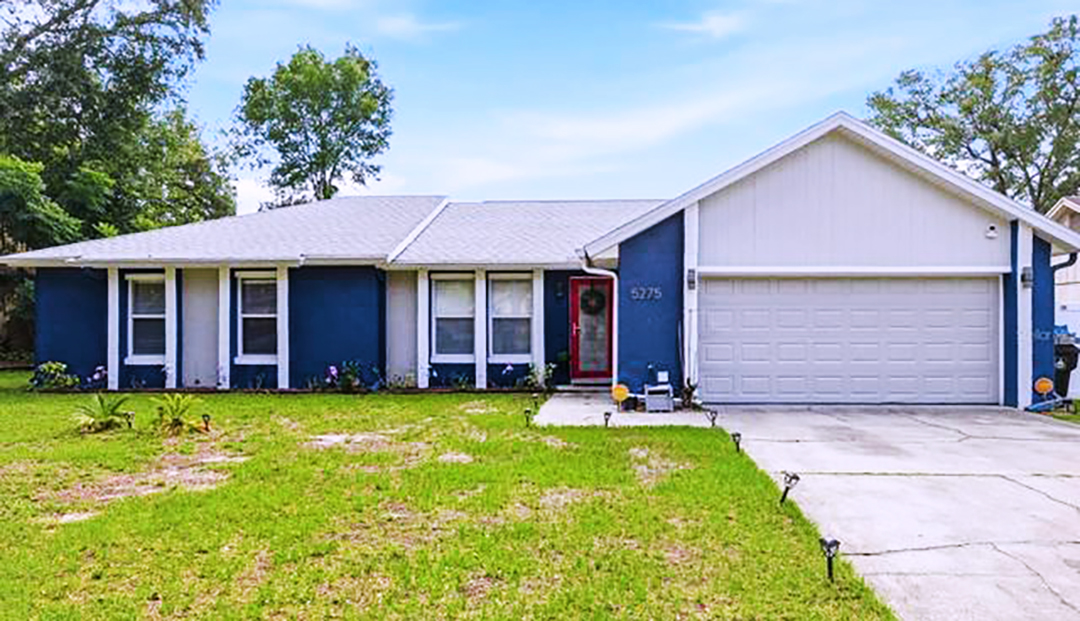
Less corporate competition: Corporate bulk purchases are among the factors that drive up housing costs. The bill would prevent large institutional investors from owning more than 350 single-family homes.
Easier financing: Local bank rules would be relaxed to allow easier access to mortgages worth $100,000 or less.
More entry-level options: Easing regulations on factory-built homes will allow faster production and lower prices.
What it means for renters
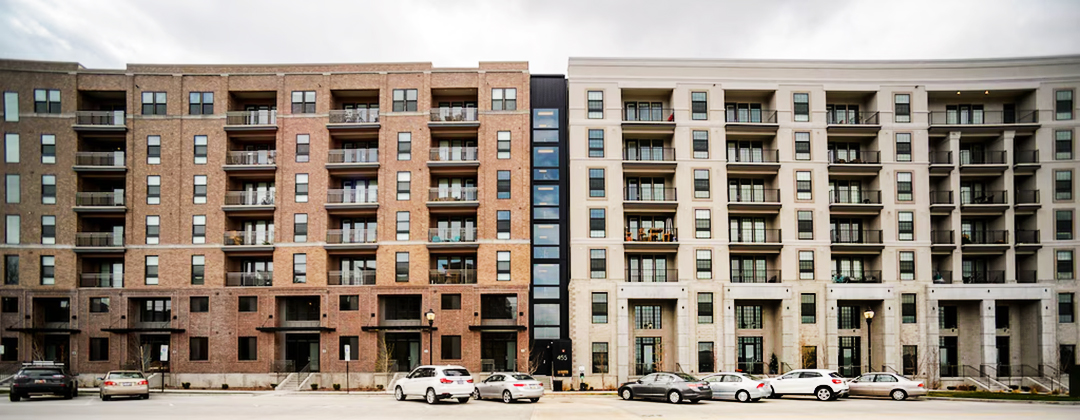
Increased supply: Streamlined federal regulations and environmental reviews will allow cheaper and faster production of new residential units, which will lower the market rent.
Easier conversions: A pilot program will aid local governments in the conversion of vacant commercial buildings into affordable housing.
Financial accessibility: The legislation expands access to government-backed loans to include the construction of standalone dwellings that a homeowner can rent out. Housing authorities will also have increased access to private capital and tax credits to fund repairs and maintain affordable units.
What’s next
The current delay in President Trump’s signing of the bill does not mean it won’t go into effect. The bill was passed in the House by a 358-32 vote and in the Senate by a 85-5 vote. Under the U.S. Constitution, if a president does not sign a bill passed by Congress, it automatically becomes law after 10 days as long as Congress remains in session.
However, after years of slow inventory growth, it will take some time for the provisions to make a noticeable difference in the housing supply and affordability.
Sponsor: The Orlando Real is sponsored by the Pozek Group — the #1 real estate team in Orlando and the Official Real Estate Team of the Orlando Magic.
About the Author
Jim Carchidi is an Orlando journalist and photographer with previous work at the Orlando Sentinel and Orlando Business Journal. He covers development, arts, culture, and local stories for The Orlando Real.
Enjoy this blog post? Click here to subscribe for updates

Leave A Comment