By Jim Carchidi
May 20, 2026
Central Florida Zoo & Botanical Garden’s most famous residents are making progress after nearly one month in quarantine. Staff recently upgraded the condition of two sloths rescued from the canceled Sloth World attraction, but Zoo CEO Richard Glover told The Orlando Real that additional time is necessary for the full recovery of all the animals.
Safety and stability
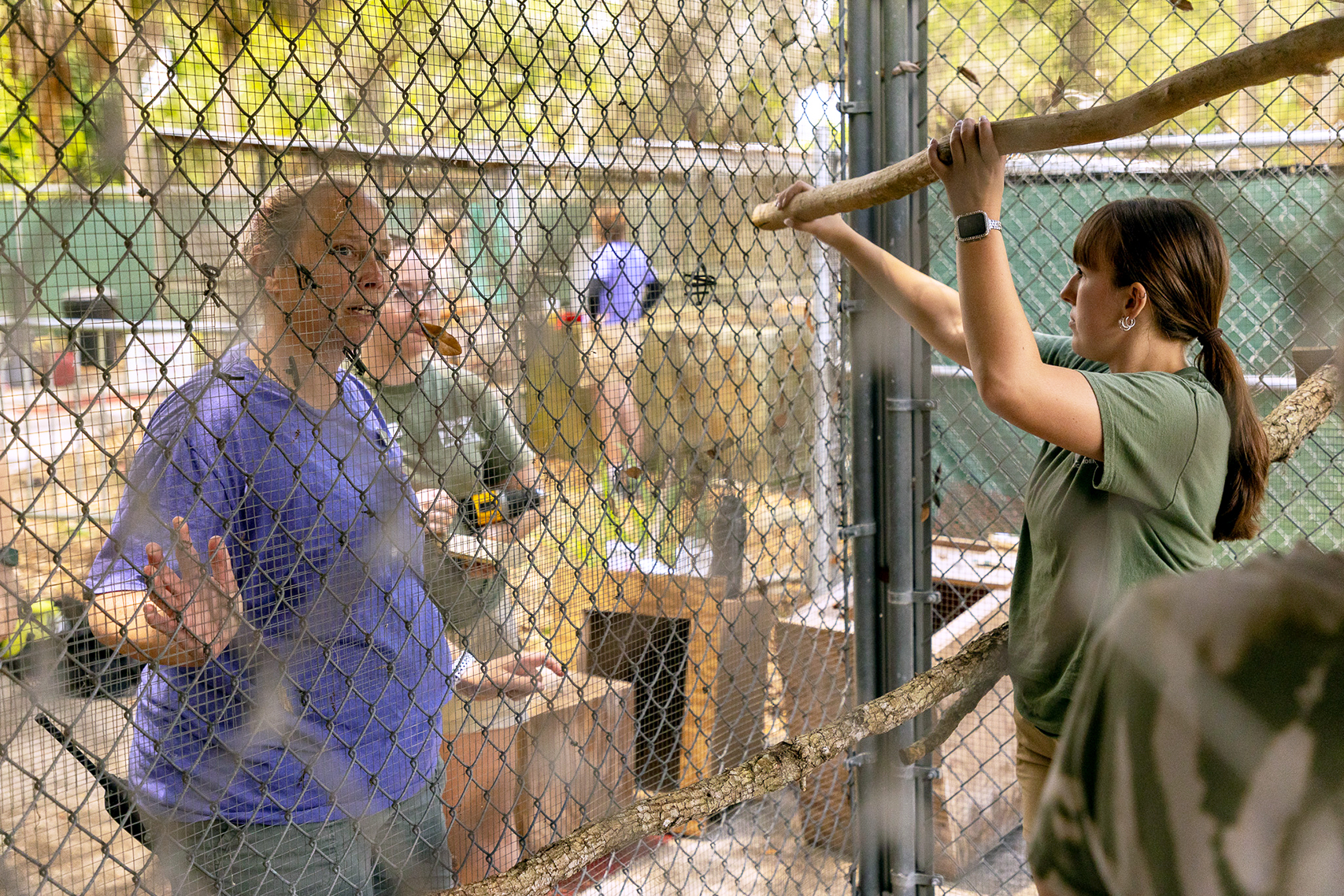 Staff at Central Florida Zoo are shown preparing environments for the incoming sloths, which arrived at the facility on April 24. Photos courtesy of Central Florida Zoo
On April 24, the zoo accepted a total of 13 sloths, previously held for future exhibit at Sloth World. Quarantine protocols went into effect as staff equipped enclosures with branches and props to replicate natural surroundings and reduce an already intolerable amount of stress. Glover said the first step in providing care was providing stability.
“They get fed and they get checked at the same time every day by the same people. That way, they can kind of settle into a routine they're comfortable with.”
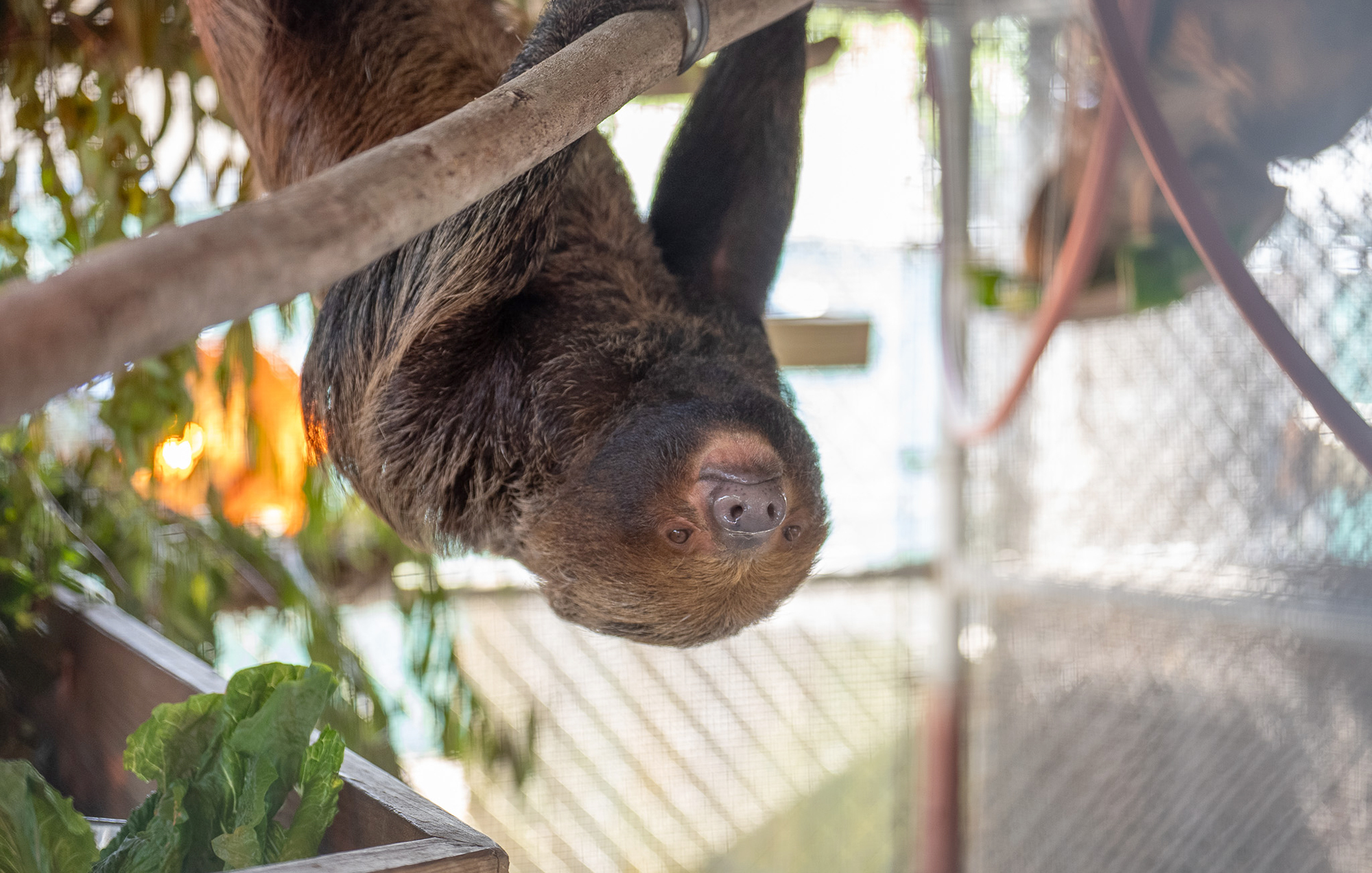
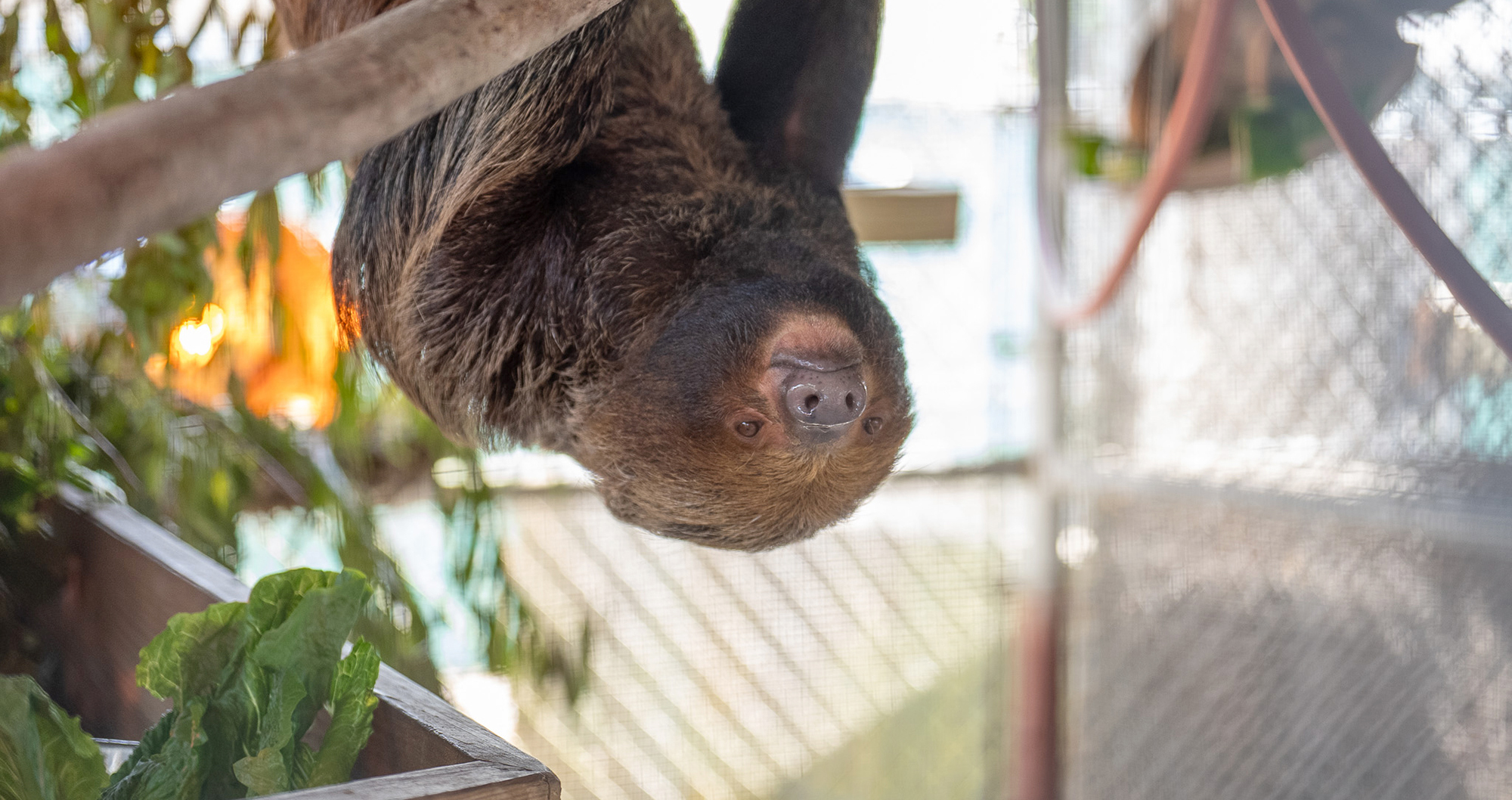
The conditions of two sloths, Chewie (pictured) and Dolce, were upgraded on May 17 and the pair were progressed out of intensive care.
During quarantine, the attending staff cannot work with other animals. Glover says the remaining staff have all been pitching in by handling additional responsibilities. “It's been an operational challenge, but it's been manageable so far. But everyone's tired.”
Despite the efforts, four sloths have succumbed to their conditions.
More information and more time
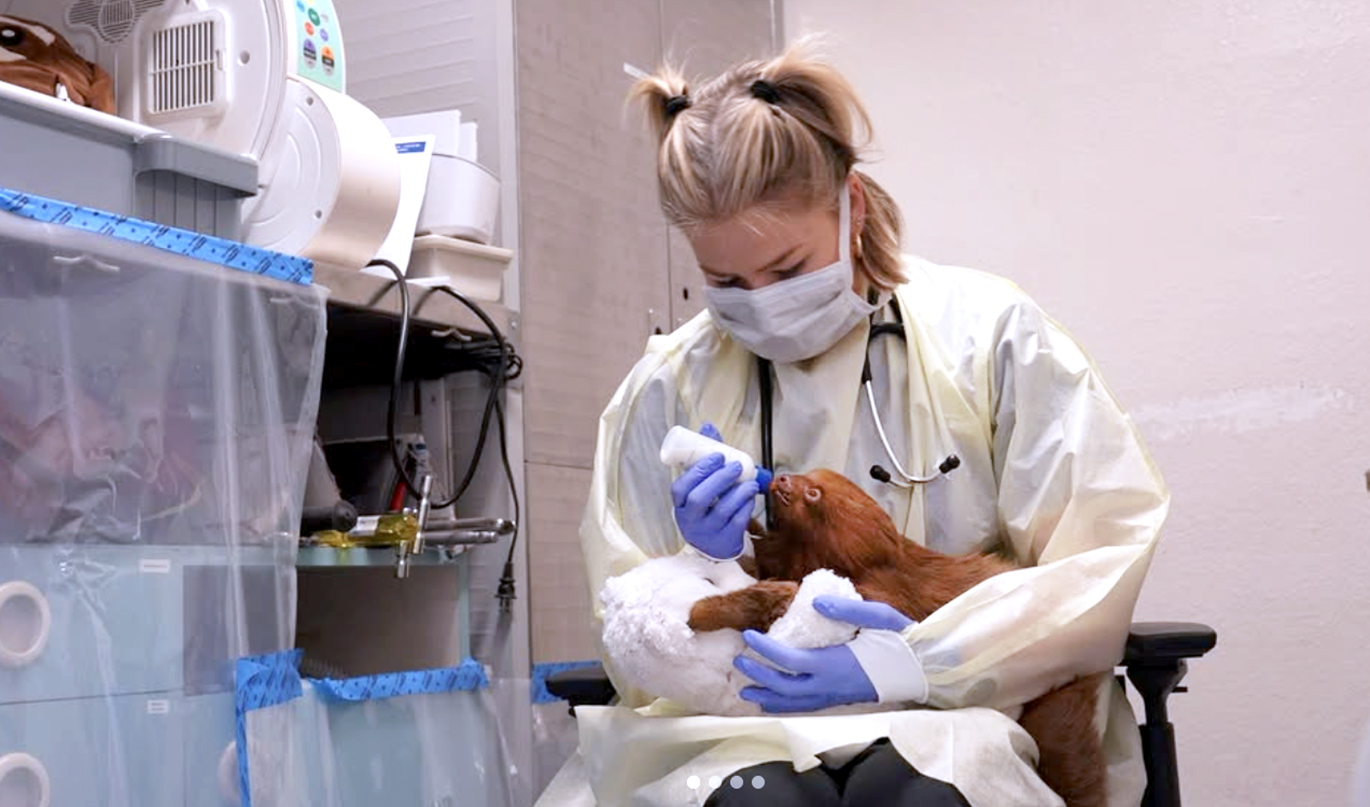 The zoo has been providing social media updates on the sloths including Mr. Ginger (pictured) who was one of the four unable to recover from extreme dehydration and emaciation.
Central Florida Zoo reported the sloths had been underweight and dehydrated upon arrival. Sloth World owner Ben Agresta objected to claims of negligence and animal endangerment in the deaths of 31 sloths between 2024 and 2025; an estimate that has since been raised to 55. He told Fox 35 Orlando the animals had died from a virus. Necropsies performed on sloths that died at the zoo determined dehydration and emaciation as the cause of death.
“We're not finding any kind of communicable diseases. We're just finding that they simply were starving to death,” Glover said. “It's not like nobody was feeding them, they were just being fed the wrong things.”
The slow metabolism of a sloth requires additional time to cycle through an unhealthy diet. Glover says the standard 30-day quarantine will require an additional 60 days to allow the animals to properly gain weight and nutritional stability. “They may be there considerably longer, it'll just depend on how they're doing.”
Despite the challenges, Glover says the remaining nine seem to have a much better chance of survival and two were recently moved out of intensive care. “We're hoping by the end of the week, maybe a few more of them will be stable enough, long enough, that we'll be able to have more progress.”
An outpouring of support
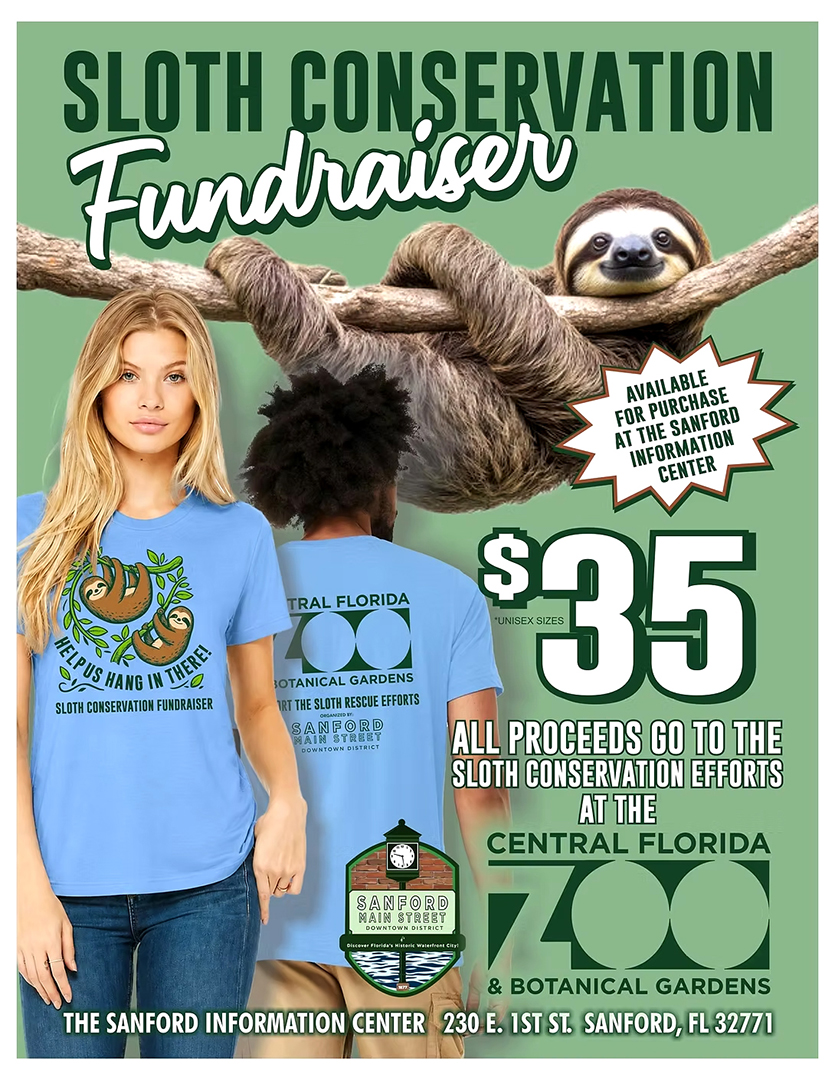
Aside from staffing challenges, the special diets, lab tests and medication have posed a financial challenge for Central Florida Zoo, which operates as a 501(c)(3) nonprofit. A public donation page was linked to the zoo website for those wanting to aid the effort, and Sanford Main Street District is pitching in by donating the proceeds of a sloth conservation T-shirt campaign. Glover says the response has been remarkable with shirts shipping to about 48 states and social media updates generating waves of positive feedback.
“This is something that people are interested in all over the country and even all over the world,” he said. “It means a lot because this is tough work. And when we lose (a sloth), it's hard on the staff.”
As the response continues to grow, so does the possibility of false fundraisers. Glover wants to raise awareness of attempts to mimic the T-shirts and web donations page, and says Central Florida Zoo and Sanford Main Street are the only two sanctioned efforts benefitting the sloth rehabilitation.
He also addressed recent public concerns regarding state funding. Glover says an annual appropriations request, scaled back by the Florida Legislature, is not part of the sloth program or the support of vital zoo operations.
“This year, we asked the legislature to match the fundraising we're doing for our 50th anniversary campaign. We asked them to match $750,000 - but it got reduced to $500,000. It's not funding that we get on a regular basis or an expectation.”
Next steps
As part of the Association of Zoos & Aquariums (AZA), Central Florida Zoo is working with accredited organizations to fully rehabilitate the remaining sloths. Once they are healthy enough to relocate, they will be placed with other AZA facilities as part of the Species Survival Plan. The population management initiative ensures sustainability, genetic diversity, and demographic stability of hundreds of threatened and endangered animals.
“I would expect probably two or three of them will stay with us, but the priority is to work with the AZA to provide sustainability and preserve the future of the species,’ Glover said. “That’s what we’re working toward.”
Sponsor: The Orlando Real is sponsored by the Pozek Group — the #1 real estate team in Orlando and the Official Real Estate Team of the Orlando Magic.
About the Author
Jim Carchidi is an Orlando journalist and photographer with previous work at the Orlando Sentinel and Orlando Business Journal. He covers development, arts, culture, and local stories for The Orlando Real.
Enjoy this blog post? Click here to subscribe for updates
Leave A Comment