
By Jim Carchidi
May 12, 2026
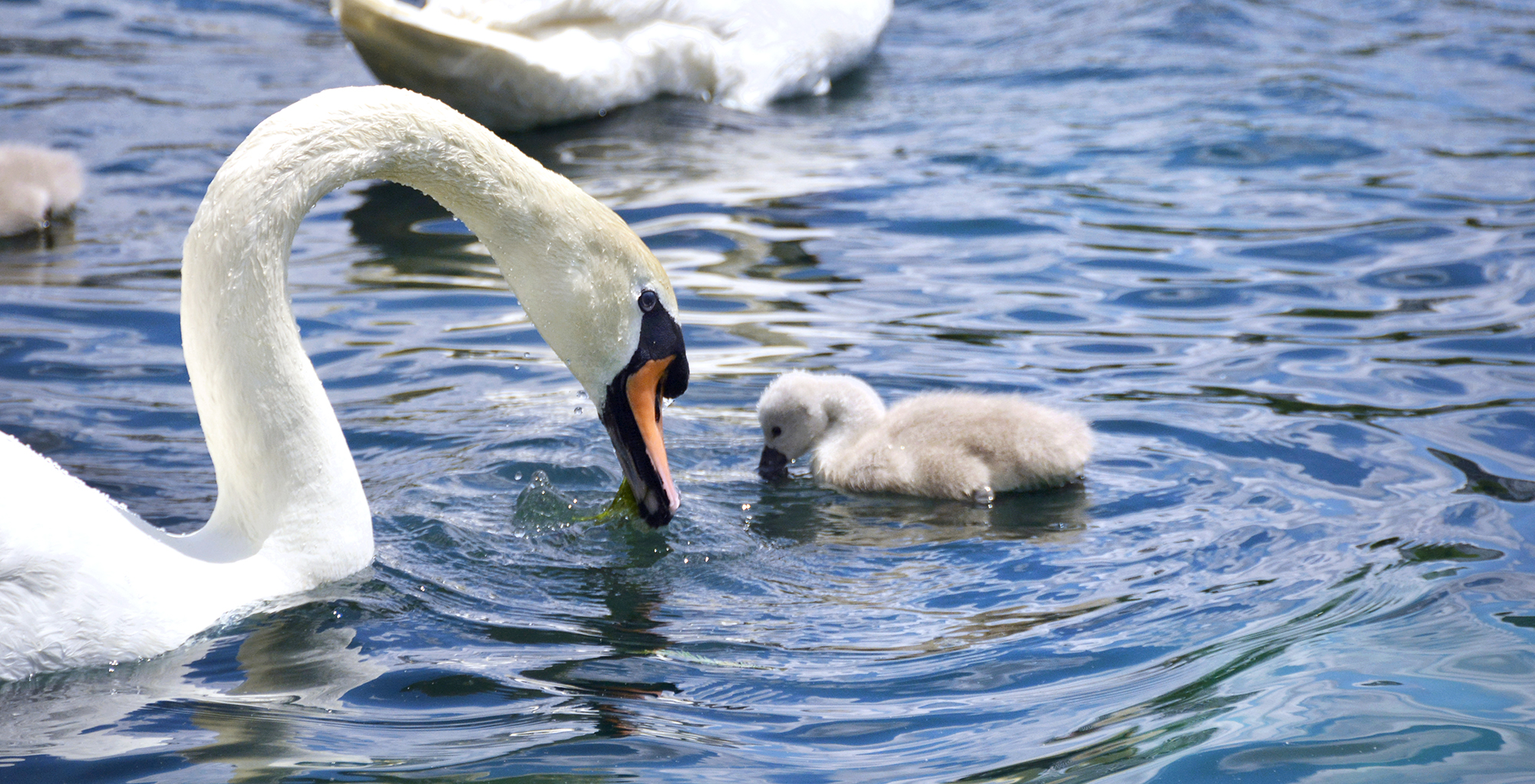
After suspending the managed care program for Lake Eola’s permanent swan population, the City of Orlando has begun a phased process of rehoming its most famous downtown residents.
The causes
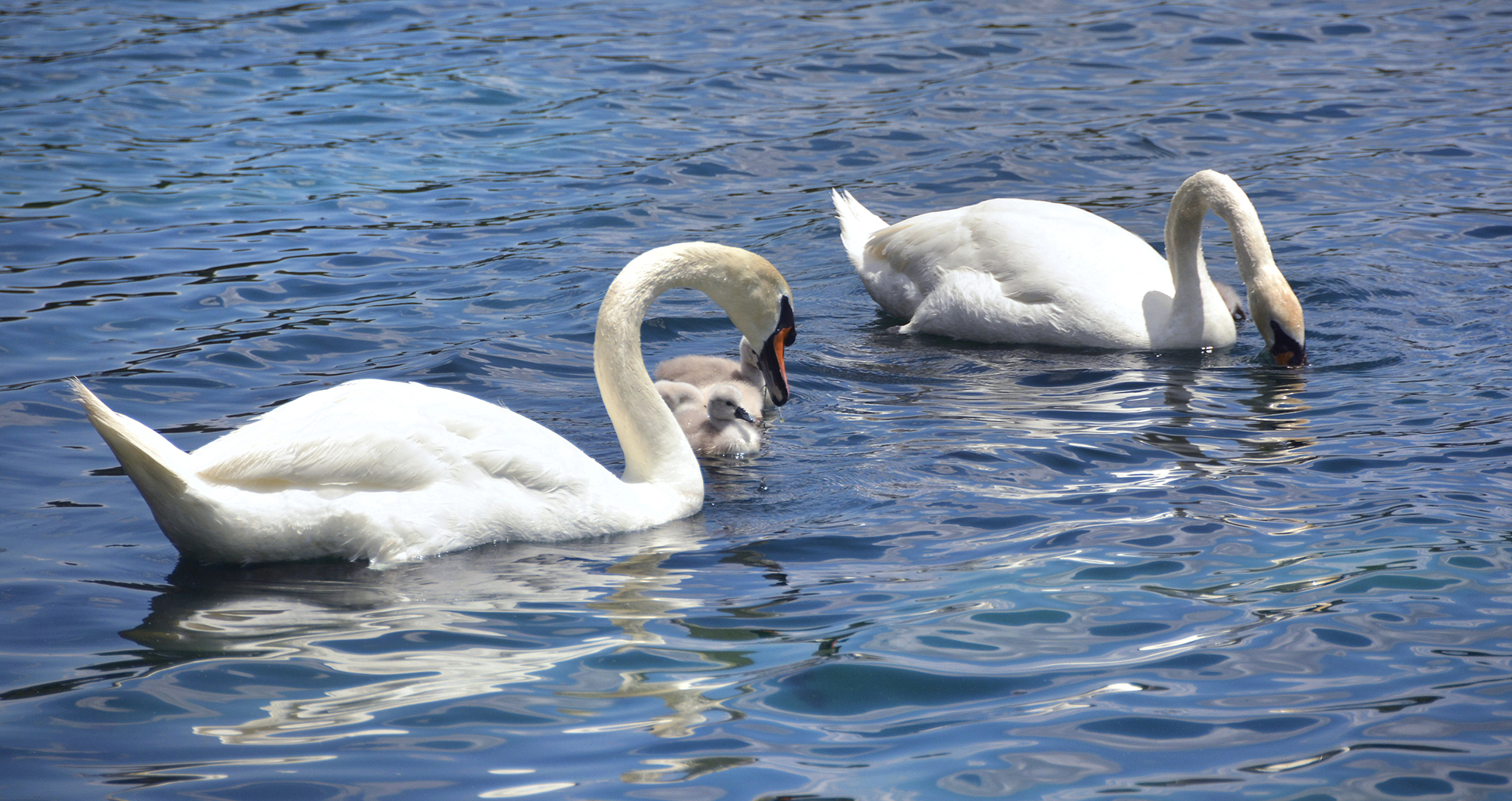 The health and safety of the Lake Eola swan population has prompted a rehoming effort. Photos by Jim Carchidi
The decision to relocate the birds was made last week with input from the Florida Fish and Wildlife Conservation Commission and other state and federal partners after a number of swans succumbed to avian flu. The illness is believed to have spread from migrating birds, which frequent the lake and surrounding park.
Four swans died during a 2024 avian flu outbreak, prompting efforts to reinforce the population. City council approved $19,500 in District 4 discretionary funds that year for the purchase of six mated swan pairs. However, a bird flu resurgence in January of this year claimed 29 swans. During the investigation into the deaths, Mayor Buddy Dyer said the city would review its swan care practices.
A report by WESH 2 News included concerns from neighboring residents regarding additional bird flu deaths and a possible spread of the illness. Warnings were posted around Lake Eola after the 2024 outbreak with additional advisories posted this year.
Florida Fish and Wildlife states avian flu can be spread to pets, though cases are rare and the risk to humans is low. It is recommended that pets and people avoid contact with sick or dead birds.
The decision to pause the swan program also comes as the city is entering the design-build phase of a multimillion-dollar renovation of Lake Eola Park. A statement from the city says moving the swans now, “will reduce stress and risk during this extended period of construction activity in the park.”
The program
The swans originally resided at Lake Lucern before a 1922 relocation to Lake Eola. The current population of approximately 44 swans includes five species: Trumpeter, Black Neck, Whooper, Royal Mute, and Australian Black swans.
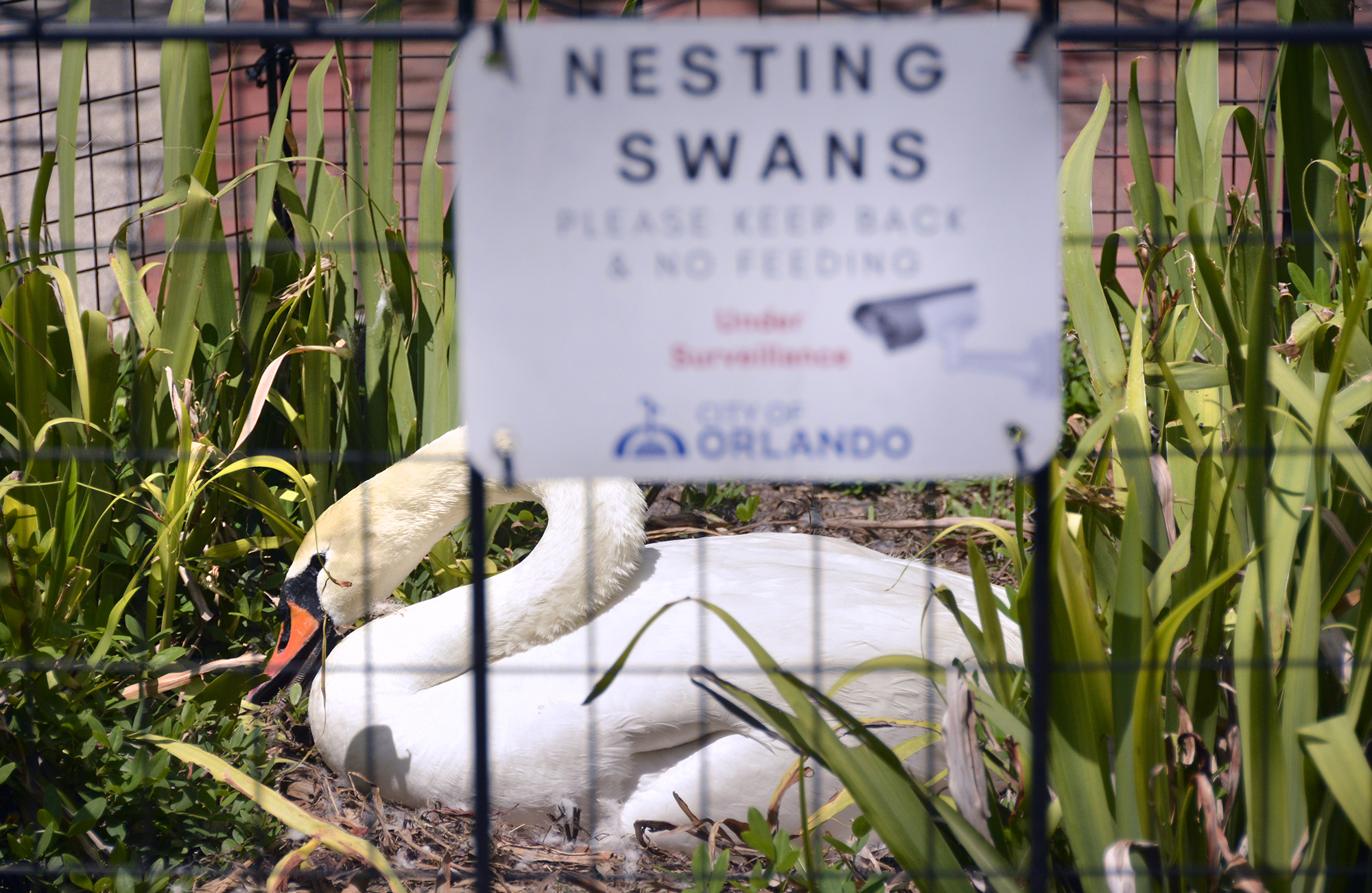 The Lake Eola swan population has grown significantly with some migrating species welcomed into the captive group.
Expenses related to care, feeding, and veterinary needs have been supported by public donations raised through fundraising initiatives. Staffing needs were aided by the Swan Volunteer Program: a community-driven initiative for the conservation, care, and educational outreach of the Lake Eola swan population.
While the 104-year-old program has not officially ended, there is no word on when it may resume.
The move
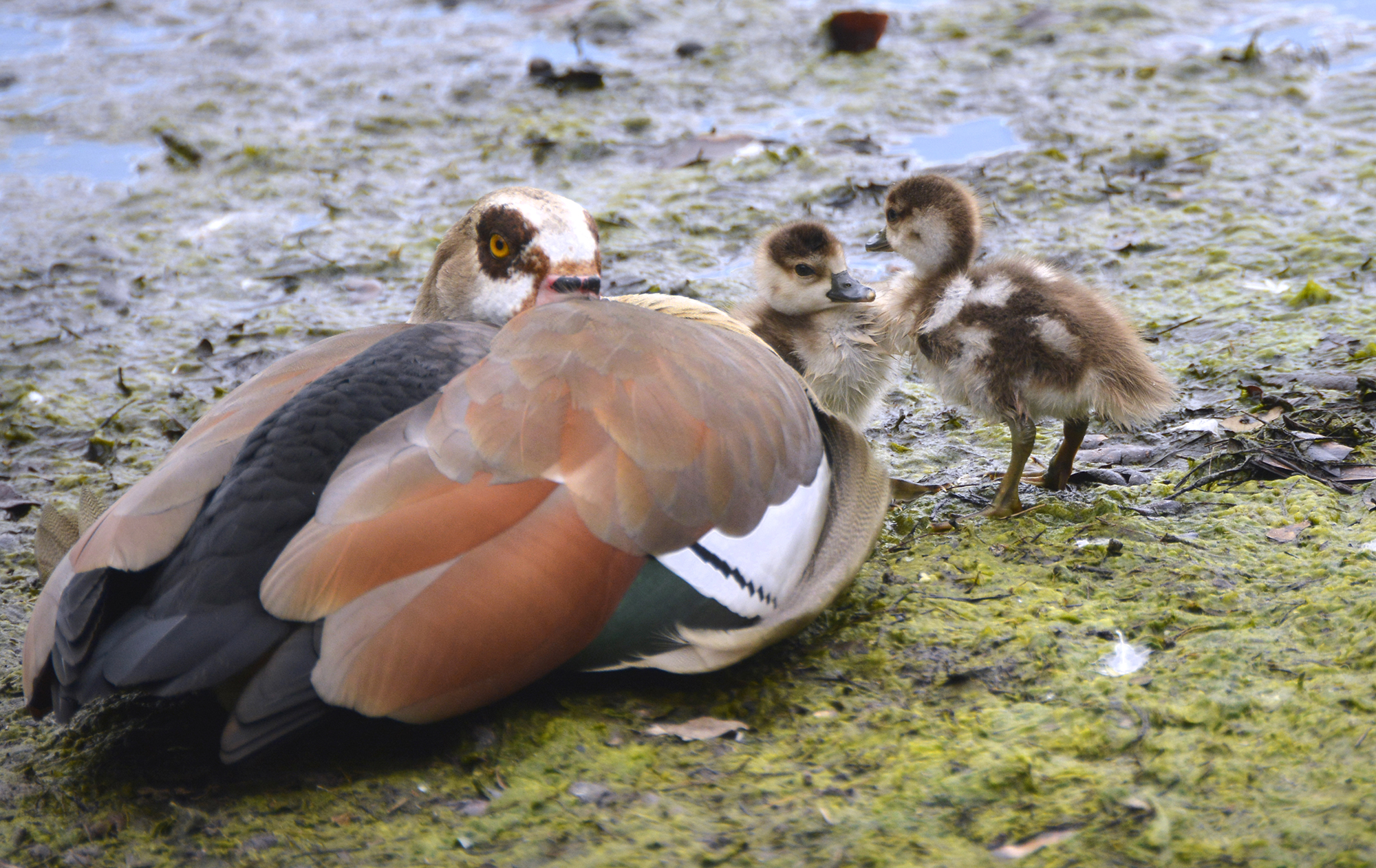 Geese, ducks, and other migratory birds will continue to use the lake as they are not part of a captive population.
City of Orlando Public Information Manager Andrea Otero told The Orlando Real the rehoming effort is expected to be completed in the fall. Crews began relocating nesting parents, cygnets and eggs over the weekend. A total of 14 swans and 19 eggs were removed between Friday and Monday. The swans will reside at locations that are licensed by the Florida Fish and Wildlife Conservation Commission.
Visitors to Lake Eola will continue to see wild swans and other migratory birds as they are not part of a captive population.
Sponsor: The Orlando Real is sponsored by the Pozek Group — the #1 real estate team in Orlando and the Official Real Estate Team of the Orlando Magic.
About the Author
Jim Carchidi is an Orlando journalist and photographer with previous work at the Orlando Sentinel and Orlando Business Journal. He covers development, arts, culture, and local stories for The Orlando Real.
Enjoy this blog post? Click here to subscribe for updates

Leave A Comment