
By Jim Carchidi
June 22, 2026
The debate over a three-year removal of protections for Orlando’s Downtown Historic District reached a new level at Monday's city commission meeting. Intervention from the state Division of Historic Resources and comments from 34 community members preceded a 4-2 vote in favor of the moratorium.
Preservation and progress
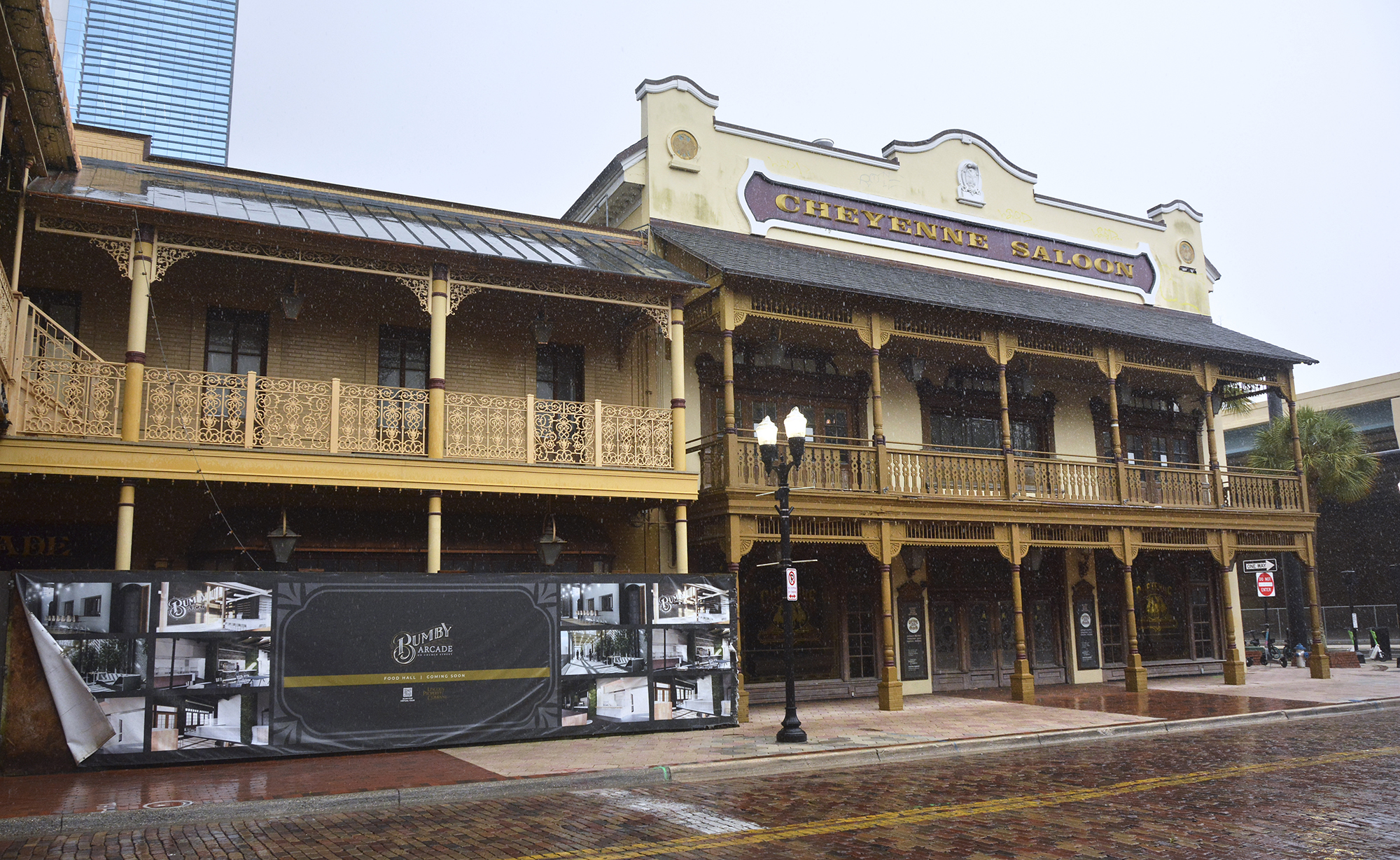
Cheyenne Salon is among the Church Street buildings in need of tenants. Photos by Jim Carchidi
The Orlando Real previously reported on the proposal of an ordinance allowing a three-year moratorium on Historic Preservation Board certification for projects within the downtown district. The move is intended to asses the level of private investor interest by clearing the red tape and uncertainty of the current approval process. City officials and developers contend historic preservation standards complicate the adaptive reuse of vacant and blighted properties.
Under the ordinance, HPB project reviews would be replaced by Appearance Review Board standards and downtown design guidelines. City commission would also have the last word on project approvals and building demolition would not be allowed without approved plans for replacement. Incentives of a 50% to 75% property tax refund over 10 years would be granted to developers agreeing to preserve historic components and designs.
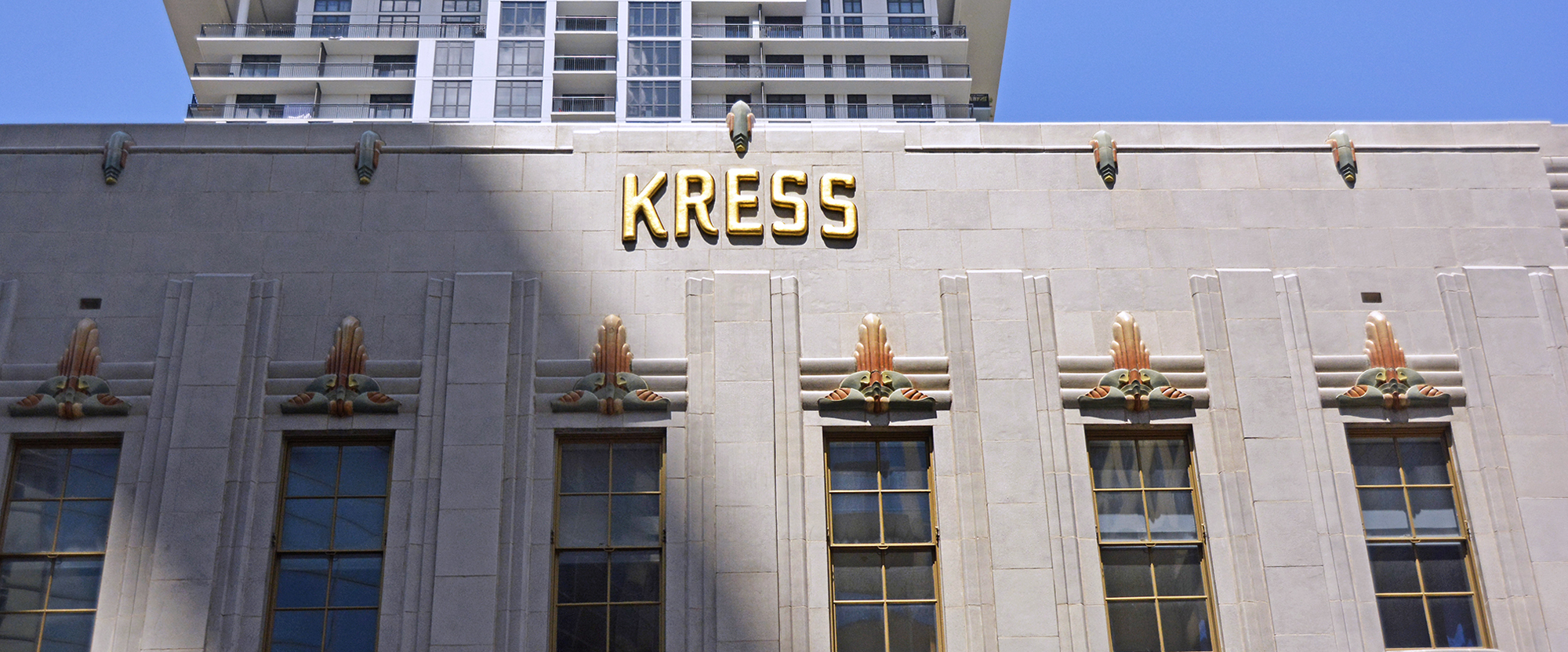
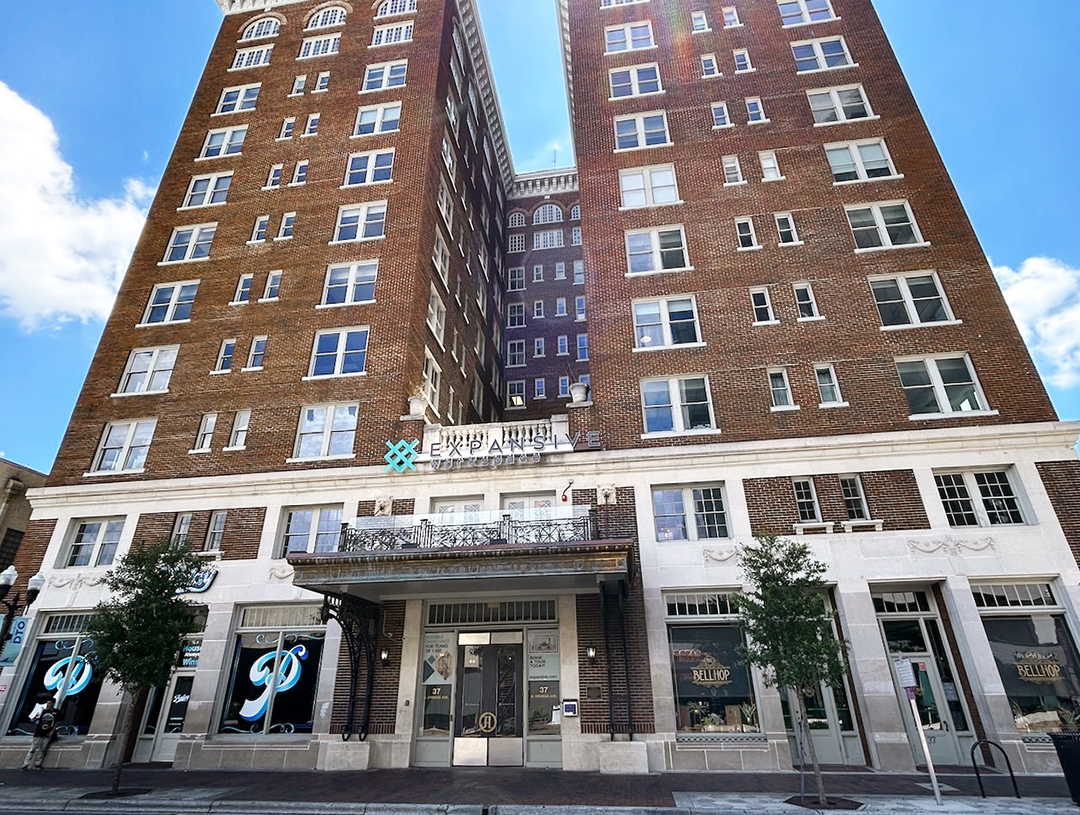
Opponents say rescinding historic protections would open the door to demolishing character-defining structures, such as the Church Street train station and Orange Avenue's Kress and Angebilt buildings. Despite objections from HPB members and local residents, the ordinance previously passed its first reading by a 5-1 vote.
The state response
The ordinance was to immediately go into effect if passed at the final reading on Monday, June 22, but a possible reversal of Orlando's certification for historic grant funding prompted a delay.
Orlando's accreditation as a Certified Local Government allows access to state and federal grant funding for historic properties, so long as historic preservation laws are observed and a citizen-led Historic Preservation Board is maintained. The Orlando Sentinel reported this weekend that city leaders received word from the state Division of Historic Resources that the proposed ordinance requires 30 days notice for state review or the city's grant certification would be in jeopardy.
Mayor Buddy Dyer said at the start of the June 22 discussion that city attorneys advised moving the ordinance start date to Aug. 10 to achieve compliance with the state notice.
Approvals and objections
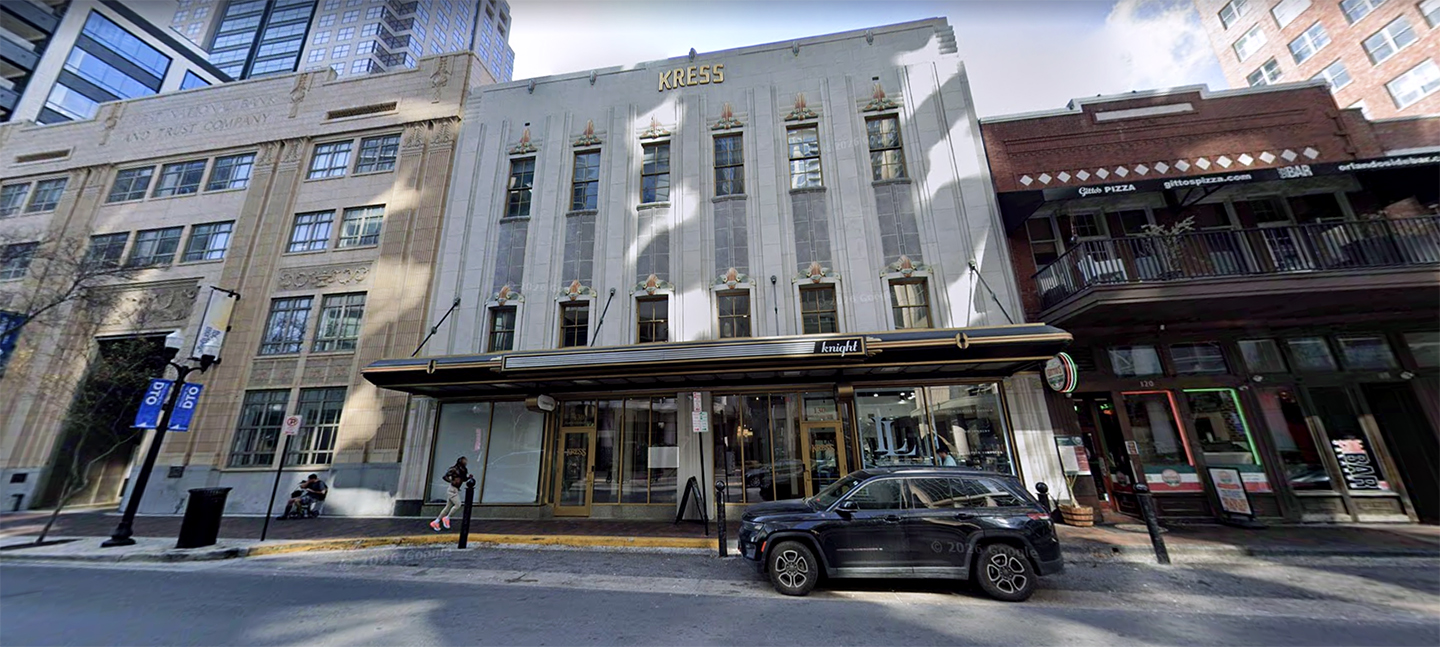 The Kress Building (above) at 124 S. Orange Ave. is a 1935 Art Deco structure built as the S.H. Kress & Co. Five and Dime store. The Angebilt Building (below) at 37 N. Orange Ave. dates back to the early 1920s and once served as a luxury hotel.
Supporters attending Monday's meeting, including Creative Village developer Craig Ustler and Acrisure Mortgage CEO Joe Nunziata, said activation and reuse were the best means of protection for historic properties. Downtown resident Katie Shook, who lives in a historic home, was in agreement.
"I want to live in a city where our historic neighborhoods are strong, our downtown is vibrant, and our oldest buildings are not sitting empty, but contributing to the life of our community every single day."
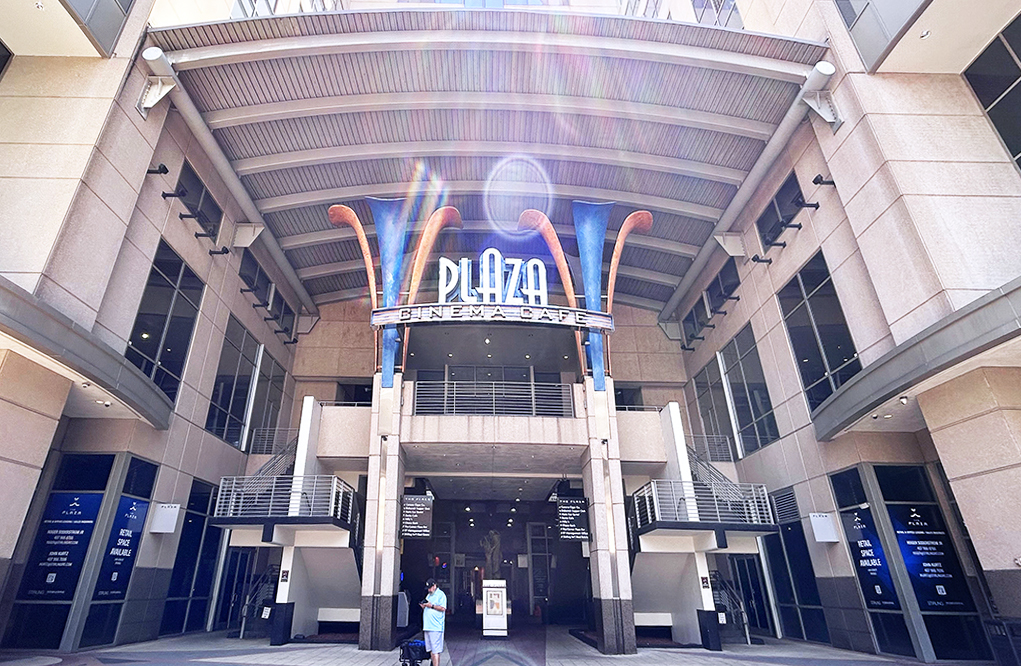 The Plaza replaced an historic Orange Avenue block but first floor storefronts are vacant and the movie theater closed in 2025.
Community members speaking against the ordinance on Monday said new developments would not remedy vacancies caused by high rent and diminished foot traffic. Opponents also cited the 2003 demolition of Orange Avenue's Jaymont Block by developer Cameron Kuhn, which cleared the way for the construction of The Plaza. District 4 Commissioner Patty Sheehan noted the development is now without first-floor tenants and the movie theater, which closed last year.
Sheehan, a longtime historic preservation supporter, questioned the need for drastic change when the Downtown Historic District was praised by the DTO Action Plan for walkability and curb appeal. And she called out the notion that HPB standards prevent adaptive reuse with examples, including the redevelopment of the former OUC Building into the Aloft Hotel and the addition of The Robinson Room cocktail lounge at the historic 61 E. Pine St. property.
"Zero times has the Historic Preservation Board rejected applications from the downtown district in the past five years," she said.
Moving forward
Sheehan was the only dissenting vote at the first ordinance reading on June 8, but was joined by District 6 Commissioner Bakari Burns at the June 22 meeting. Burns questioned whether the city had ever offered the incentives outlined in the historic district ordinance and if more certainty could be offered to developers without bypassing the HPB.
District 3 Commissioner Roger Chapin was among the votes in favor of the ordinance and said everyone at the meeting wanted to preserve downtown history, but its survival depends on investments.
"A historic building with no tenants, no customers, and no investment may be preserved physically, but it's not preserved as a living part of the city."
The ordinance for the three-year moratorium will go into effect on Aug. 10. Projects proposed for the Downtown Historic District will go before city commission as they are approved by the Appearance Review Board.
Sponsor: The Orlando Real is sponsored by the Pozek Group — the #1 real estate team in Orlando and the Official Real Estate Team of the Orlando Magic.
About the Author
Jim Carchidi is an Orlando journalist and photographer with previous work at the Orlando Sentinel and Orlando Business Journal. He covers development, arts, culture, and local stories for The Orlando Real.
Enjoy this blog post? Click here to subscribe for updates
Leave A Comment