By Jim Carchidi
August 11, 2026
Two downtown revitalization measures were advanced during the Orlando City Council meeting on Monday, Aug. 10. One will help fund a state-of-the-art community space while the other incentivizes private investments in the Downtown Historic District.
The Canopy
A portion of the construction expenses related to The Canopy project will be funded by the Florida Department of Transportation (FDOT). According to details of a State Funded Grant Agreement approved at Monday’s meeting, FDOT will contribute $3.75 million for qualified construction expenses including infrastructure, hardscape, streetscape, and safety improvements.
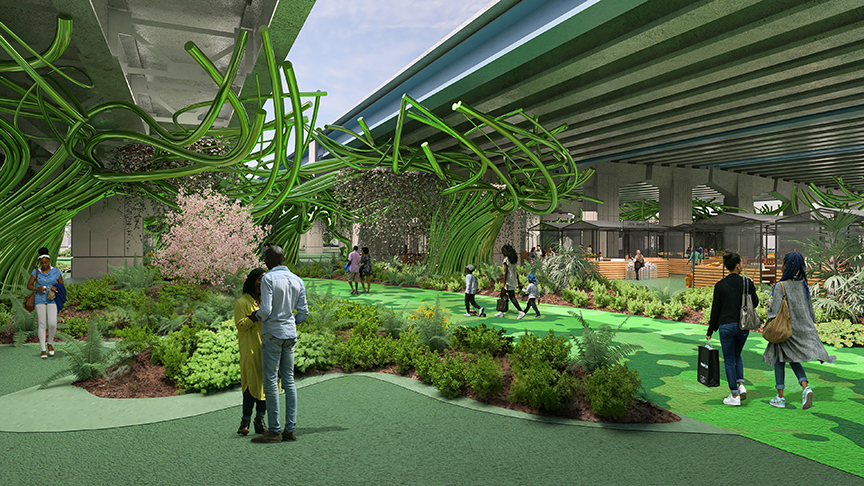
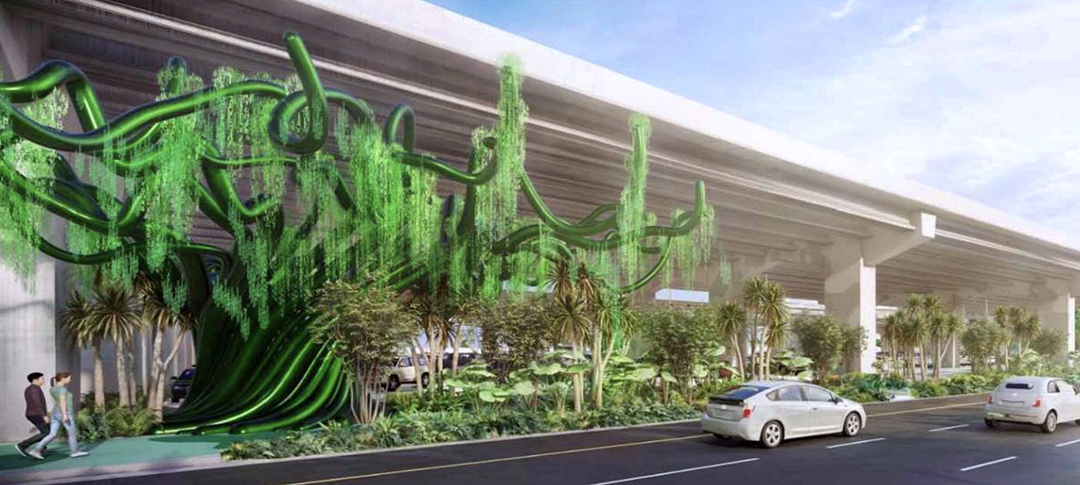
The Canopy is one of several DTO Action Plan projects, and will span about 0.3 miles beneath Interstate 4 between W. Church and W. Washington streets. The southern portion will feature art installations ranging from metal sculptures to video walls. About 300 parking spaces and ride share zones will be located at the north end.
The project will cost approximately $30.86 million, funded mostly by a Community Redevelopment Agency (CRA) bond. Construction is expected to begin before the end of the summer, but a groundbreaking date has not currently been set.
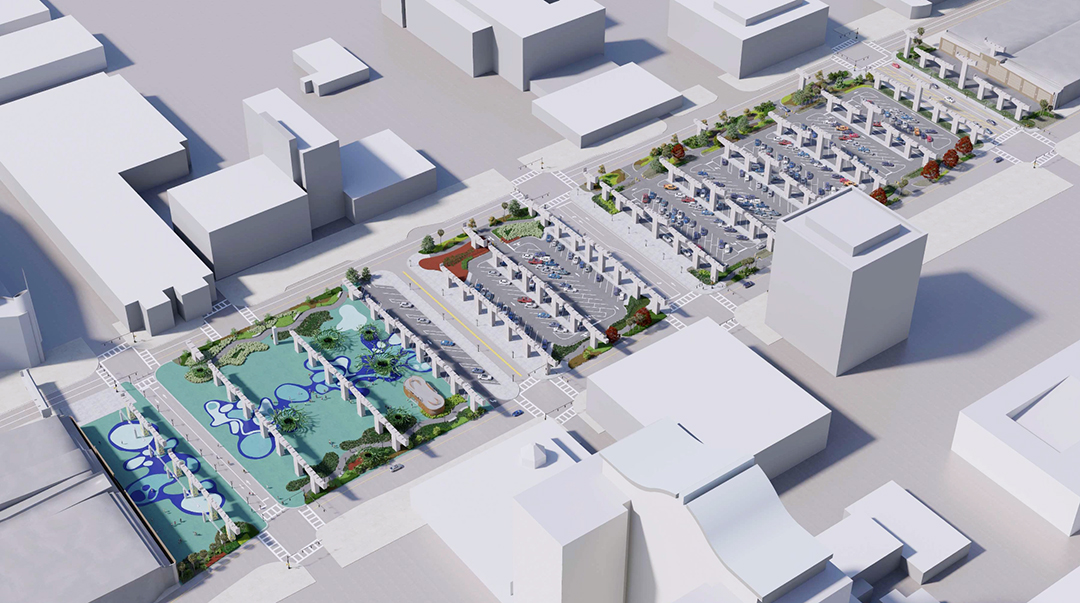
The city also approved two Use and Occupancy Agreements with FDOT for the area The Canopy will occupy. The primary agreement outlines a 50-year, rent-free term for the public space components. The second agreement allows city use for paid parking and vendor areas for an annual rent of approximately $114,150.00. A project rendering shows parking lots comprising nearly two-thirds of the space.
Historic District development
City efforts to boost private investments in downtown's underused historic buildings will be incentivized by the DTO Historic Redevelopment Incentive Program. The measure received an initial recommendation in July from the CRA Advisory Board. Orlando City Council members, who also act as the CRA Board, granted final approval on Monday.
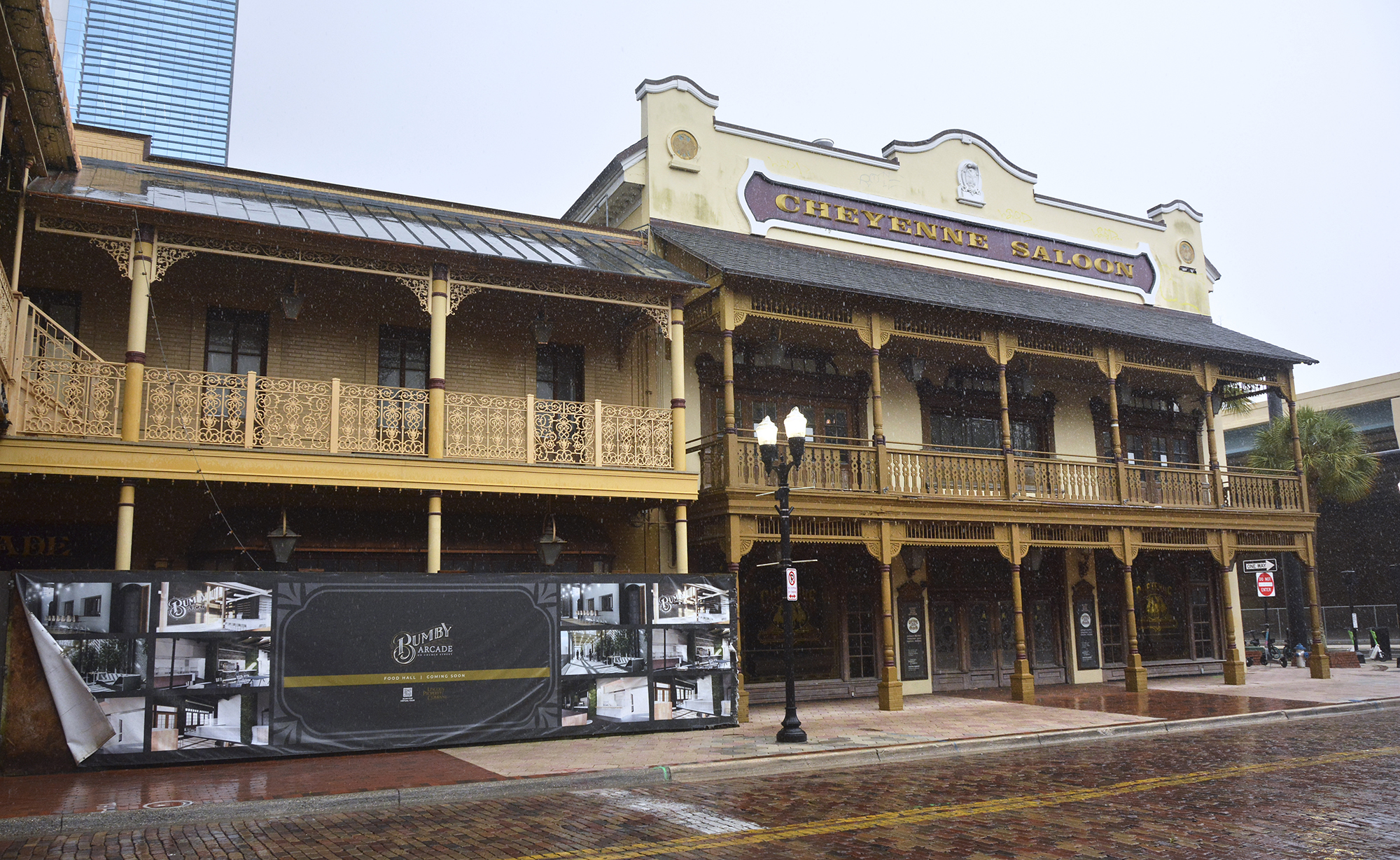
The incentive program will offer ad valorem tax rebates for the renovation and restoration of properties within the eight-block Downtown Historic District. Projects utilizing designated landmarks would receive a 10-year, 75% rebate of the taxes generated by post-development property value. Buildings designated as contributing historic structures would receive a 10-year, 50% rebate.
To qualify for the incentives, projects must provide an economically viable reuse, preserve significant historical features, and there must be a minimum $5 million project investment. Downtown Development Board and Community Redevelopment Agency Executive Director David Barilla said the investment threshold was necessary to “create that additional tax base that we can ultimately pay back as part of the incentive program.”
Commissioner Patty Sheehan was the only vote against the incentive. She criticized the measure as being “disingenuous” for its exclusion of smaller projects, which she believes would decrease the chance of a historic structure being demolished for new construction.
Sheehan also opposed the three-year moratorium on historic building protections, to which the incentive is tied.
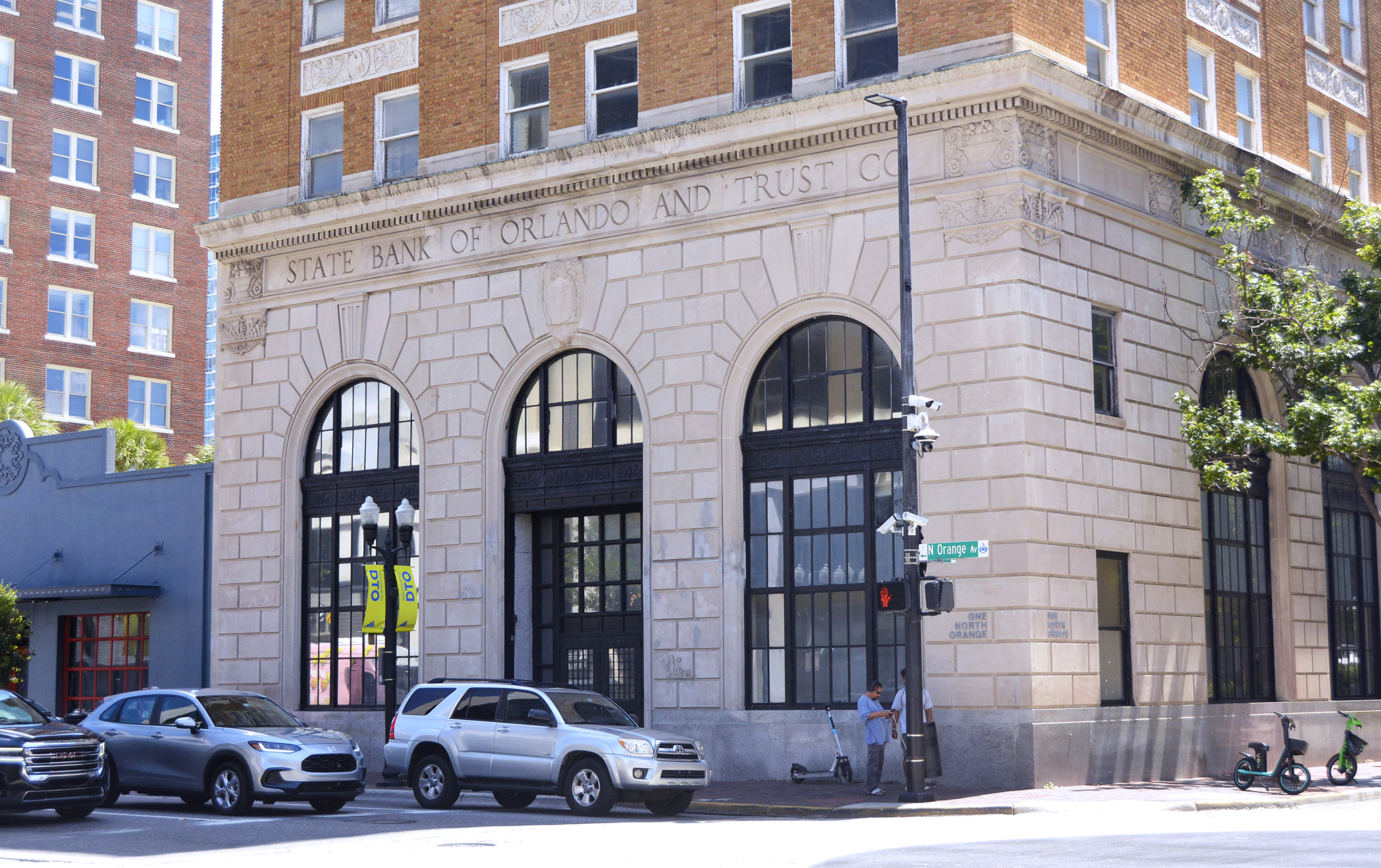
One project that could qualify for the incentive is a city-led revitalization of the 102-year-old State Bank of Orlando and Trust Co. building at 1 N. Orange Ave. A request period for a partnership in its adaptive reuse is currently under way.
Sponsor: The Orlando Real is sponsored by the Pozek Group — the #1 real estate team in Orlando and the Official Real Estate Team of the Orlando Magic.
About the Author
Jim Carchidi is an Orlando journalist and photographer with previous work at the Orlando Sentinel and Orlando Business Journal. He covers development, arts, culture, and local stories for The Orlando Real.
Enjoy this blog post? Click here to subscribe for updates
Leave A Comment